
Knowing that workers’ compensation can replace lost income is one thing. Knowing how much you should actually receive is another. For an injured first responder, the answer can depend on your pre-injury earnings, whether you are completely or partially unable to work, and whether special salary-continuation protections apply to your position.
The calculation can become especially important for police officers, firefighters, deputies, and other public safety employees whose regular compensation may include overtime or other forms of earnings beyond a basic salary.
Our workers’ compensation lawyer in Oakland can review your wage records, work status, and benefit notices to determine how your payments were calculated and whether the claims administrator used the correct information.

How much does workers’ comp pay?
There is no single payment amount for every injured California worker. For most employees who cannot perform their usual job while recovering, temporary disability benefits generally replace two-thirds of the gross wages lost because of the injury, subject to minimum and maximum rates set by California law.
If you can perform some work but earn less because of your medical restrictions, temporary partial disability may instead replace part of the difference between your pre-injury and current earnings. Qualifying public safety employees can be treated differently because California provides additional salary-continuation protections for certain first responders.
Do Oakland first responders always receive only two-thirds of their wages?
No. Some qualifying public safety employees may be entitled to Labor Code §4850 salary continuation instead of ordinary temporary disability payments. Section 4850 protections can provide eligible public safety employees with leave without loss of salary while they are temporarily disabled by a qualifying work-related injury or illness. For qualifying employees, §4850 salary continuation generally preserves full salary rather than paying the ordinary two-thirds temporary disability rate.
Not everyone who works in emergency services automatically qualifies. Eligibility depends on the employee classification and the requirements of the statute. That is why two injured first responders with similar medical restrictions may receive different forms of wage replacement depending on their positions and employment circumstances.
What if you return to work but earn less than before?
You do not necessarily have to be completely off duty to receive wage-replacement benefits. If your doctor allows you to work with restrictions and those restrictions cause you to earn less than you did before the injury, you may qualify for temporary partial disability.
California’s injured worker guidebook explains that TPD is generally calculated as two-thirds of the wages you lose while working in a reduced-capacity position, subject to statutory limits. For example, reduced hours, the loss of certain assignments, or another medically required change in work may affect your actual earnings. The key question is the wage loss caused by the work injury and resulting restrictions.
What if your workers’ comp payment looks too low?
Do not assume the amount on a benefit check is automatically correct. An incorrect payment can result from missing wage information, omitted overtime or other earnings, an inaccurate average weekly wage, disagreement about your work capacity, or questions about whether §4850 salary continuation applies.
The claims administrator should provide notices explaining how disability payments were calculated. Reviewing those notices against your payroll records and medical work-status reports can help identify discrepancies.
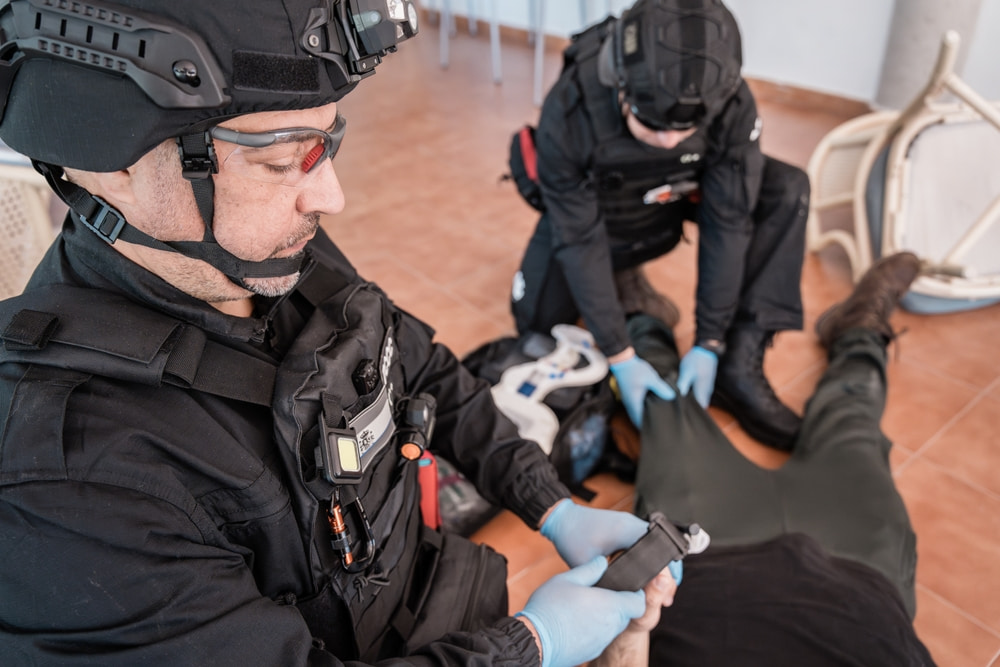
Which workers’ compensation lawyer in Oakland can help review my benefit amount?
If you’re recovering from an on-duty injury near the Oakland Estuary or elsewhere in Oakland, our team can review how your wage-replacement benefits were calculated and whether your earnings, work restrictions, and eligibility for first-responder salary protections were properly considered.
We can also explain when work comp replaces a first responder’s lost wages and how long your benefits can continue, so you understand both the amount you may receive and how that support fits into the broader claim. Schedule a free consultation, and we’ll review your benefit notices, wage records, and work status to identify any payment issues that need attention. Call us today!